San Cristóbal Island
San Cristóbal Island
The administrative capital of the Galápagos, San Cristóbal captivates with Kicker Rock, its highland lake El Junco, and sea lions lounging throughout the town.
Home to the official capital of the Galápagos province, Puerto Baquerizo Moreno, San Cristóbal Island is an essential stop on any journey through this legendary archipelago. A wealth of paradisiacal locations such as Punta Pucuna and iconic Galápagos sites like La Lobería beach and Kicker Rock await you here. San Cristóbal is equally synonymous with numerous water activities. Among these are snorkeling and surfing.
History
San Cristóbal Island is the result of four extinct volcanoes merging into one landmass. Its original English name is Chatham Island. The Spanish version of its name pays homage to St. Christopher, the patron saint of sailors.
This island is home to the first permanent settlement of residents in the Galápagos. It was also the first island in the archipelago to welcome Charles Darwin during his expedition aboard the Beagle in 1835.
A lake named El Junco sits in the highlands of San Cristóbal. As the only freshwater source across the entire archipelago, it was instrumental in the island's early colonization. The governor's residence was located near this body of water at the time of Darwin's visit.
San Cristóbal hosted a penal colony of mainland prisoners in 1880. However, in the early twentieth century, following a revolt, all the inmates escaped. The penal facility would later be transformed into a military base and export center for the island's products, notably sugar, coffee, cassava, livestock, fish, and lime.
San Cristóbal is the second most populated island in the archipelago, with a population of approximately 5,400 inhabitants. Most work in tourism, fishing, and public service.
What to Discover on San Cristóbal Island?
Gianni Arismendy Interpretation Center
The Gianni Arismendy Interpretation Center, opened in 1998, is located a 15-minute walk from the center of Puerto Baquerizo Moreno. It provides visitors with detailed information about the formation of the Galápagos archipelago, its history, and the challenges it currently faces. Exhibitions on natural history, human history, and conservation are also presented here.
Punta Carola
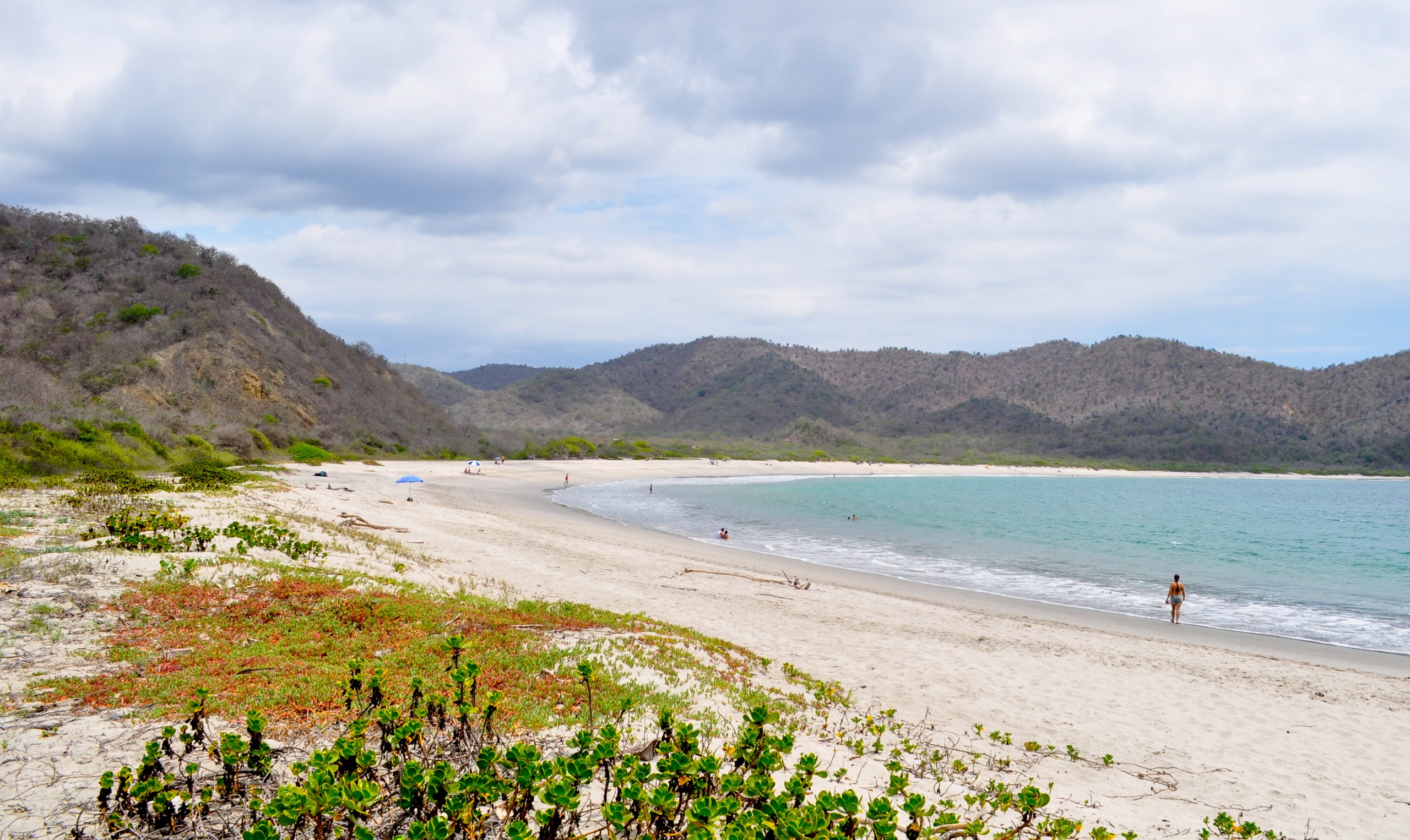
San Cristóbal is one of the best places to surf in the Galápagos Islands, and the finest waves strike Punta Carola beach, a 15-minute walk from Puerto Baquerizo Moreno. Beyond being perfect for surfing, this beach is surrounded by dry forest ideal for observing numerous animals (sea lions, marine iguanas, pelicans, frigatebirds, sea turtles). It also features a lighthouse offering a magical sunset.
Tijeretas Hill
Tijeretas Hill provides magnificent views over a rocky bay highly prized for snorkeling. Translating to "frigatebirds' hill" in English, its name refers to the numerous frigatebirds nesting in the surrounding vegetation. Access is via the street leading to Mann beach. The hiking trail measures approximately 3.5 km.
La Lobería
Some 20 minutes' walk south of San Cristóbal's port stretches La Lobería beach. Populated by sea lions, it's the ideal spot to admire these animals on the island. But that's not its only appeal. You can also observe birds such as the canary Maria, frigatebirds, and other seabirds. Moreover, this 2-kilometer-long beach is favorable for surfing. In fact, it regularly hosts national and international surfing championships.
The Opuntia Garden
The Opuntia Garden is a forest of prickly pear cacti of the Opuntias genus (Opuntia megasperma) located in San Cristóbal's arid zone. It's an excellent spot to observe finches, which feed primarily on the fruit of these cacti. The site is located a short distance from Cafetal farm and is accessible after approximately a 50-minute walk.
Mann Beach
Located just 10 minutes from the center of Puerto Baquerizo Moreno, Mann Beach is one of San Cristóbal's most well-known beaches. It's suitable for swimming, snorkeling, kayaking, and surfing. Restaurants and bars are available here.
El Junco Lake
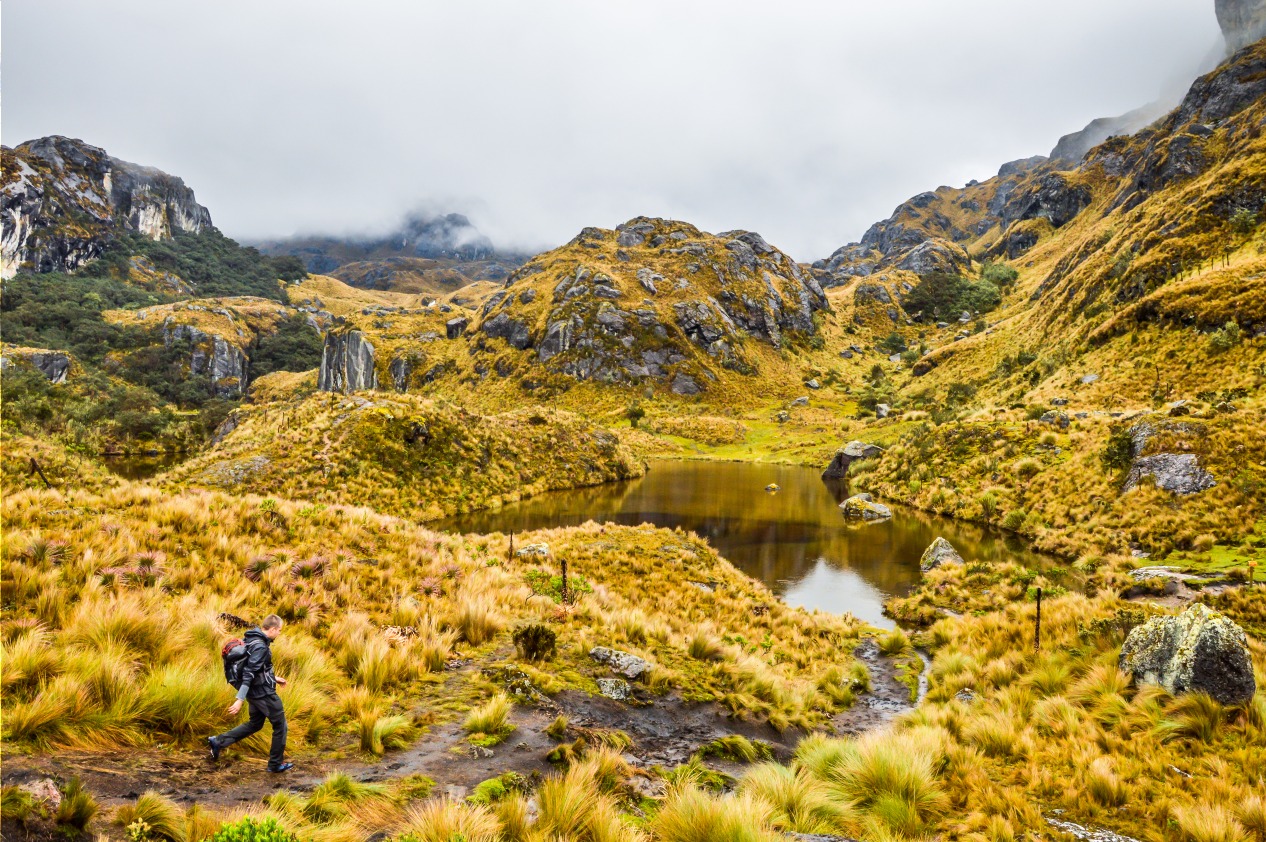
This freshwater lake is also a popular tourist attraction on San Cristóbal. It spans 60,000 square meters and sits at 650 meters altitude, 19 kilometers from the island's port. Its name comes from the reeds that thrive on its shores. The site is accessible by car, taxi, or bicycle. It's recommended to hire a naturalist guide to learn all its distinctive features.
Kicker Rock
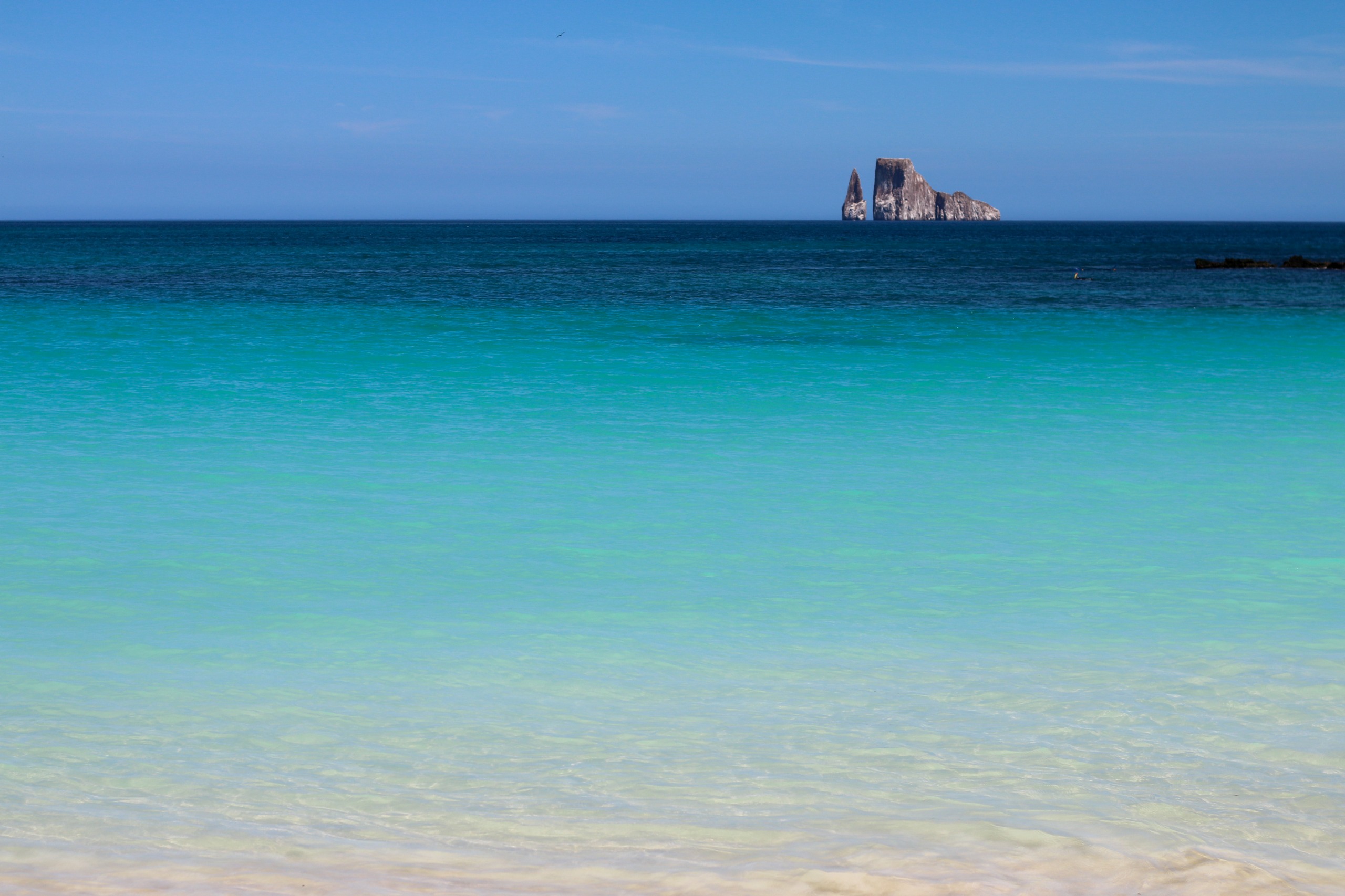
Some 3 kilometers off the north coast of San Cristóbal rises Kicker Rock, also known as León Dormido ("sleeping lion") rock due to its resemblance to a sleeping lion. It's an eroded volcanic tuff cone reaching 153 meters high. It's frequented by blue-footed boobies, masked boobies, frigatebirds, pelicans, and sea lions. Hammerhead sharks, blacktip reef sharks, sea turtles, eagle rays, and tropical fish patrol its waters and channel. You can snorkel here.
Cerro Brujo
Another attraction in northern San Cristóbal is Cerro Brujo, an eroded tuff cone. It's particularly appealing for its coralline sand beach, embraced by crystal-clear blue waters perfect for swimming and snorkeling. You'll also enjoy a view of Kicker Rock.
Punta Pucuna
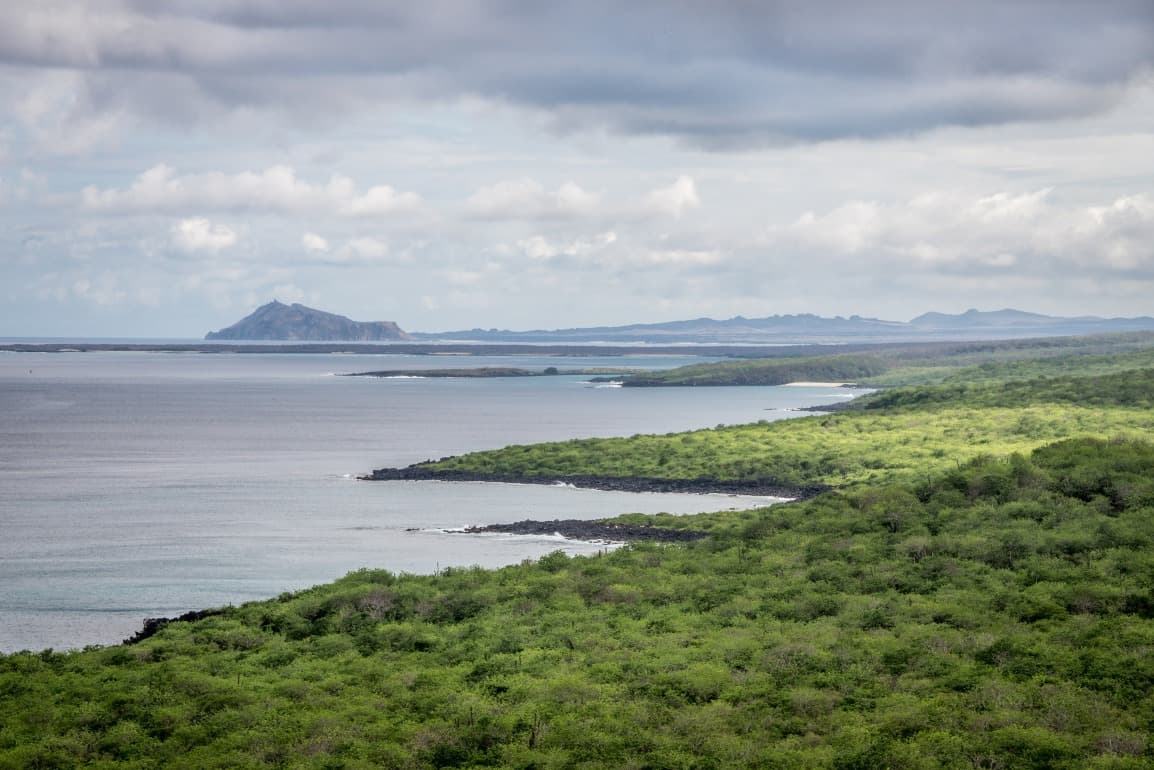
Punta Pucuna is a charming bay comprising 3 beaches nestled in the island's northeast. Behind it lie lava cones conferring singular beauty. Like Cerro Brujo beach, you'll also benefit from a view of Kicker Rock here.
Galapaguera de Cerro Colorado
Galapaguera de Cerro Colorado, also known as the David Rodriguez Tortoise Breeding Center, is located in the island's southeast, 40 minutes by bus from Puerto Baquerizo Moreno. Its mission is to increase the population of the giant tortoise Chelonoidis chatamensis, an endemic species. You'll learn to distinguish this species from others present throughout the archipelago.
Punta Pitt
Punta Pitt is a one-of-a-kind attraction on San Cristóbal Island. Indeed, it's the only place on the island where you can observe three types of boobies: the blue-footed booby, the red-footed booby, and the masked booby. Two frigatebird species have also made their home here. Punta Pitt is accessible only by boat.
Rosa Blanca Bay
Rosa Blanca Bay is located in the central part of San Cristóbal Island, two hours by boat from Puerto Baquerizo Moreno. It shelters small beaches adorned with rocks. It's an isolated spot for snorkeling. Sharks, rays, and sea turtles inhabit its crystalline waters.
Puerto Chino
Puerto Chino is a stunning small cove located 24 km from Puerto Baquerizo Moreno. It's a perfect place for relaxation, swimming, and bird-watching. Camping is also possible here. However, prior authorization from the Galápagos National Park directorate is required.
Practical Information
When to Visit?
San Cristóbal Island offers ideal conditions for tourism from June to August and mid-December to mid-January, when the weather is dry and sunny. However, it's important to note that these periods correspond to peak tourism seasons. If you prefer to avoid crowds and don't mind more humid weather, consider visiting from early September to late November instead.
From Continental Ecuador
San Cristóbal Island is accessible by air from Quito and Guayaquil. The archipelago's capital is located just 5 minutes by taxi and 25 minutes on foot from its airport terminal.
From Other Galápagos Islands
If you're already on the Galápagos archipelago, note that San Cristóbal Island is connected by air and sea routes to Puerto Ayora on Santa Cruz Island and to Puerto Villamil on Isabela Island.
Want to discover this destination?
Our local advisors design your tailor-made trip.